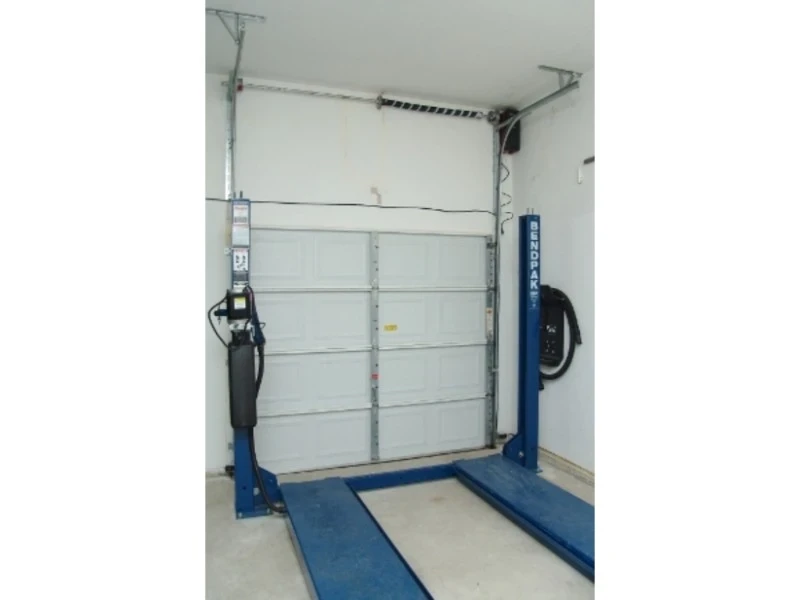
Off-Track Garage Door Repair in Alvin, TX
(Fast, Safe, Same-Day Help)It’s a safety problem.
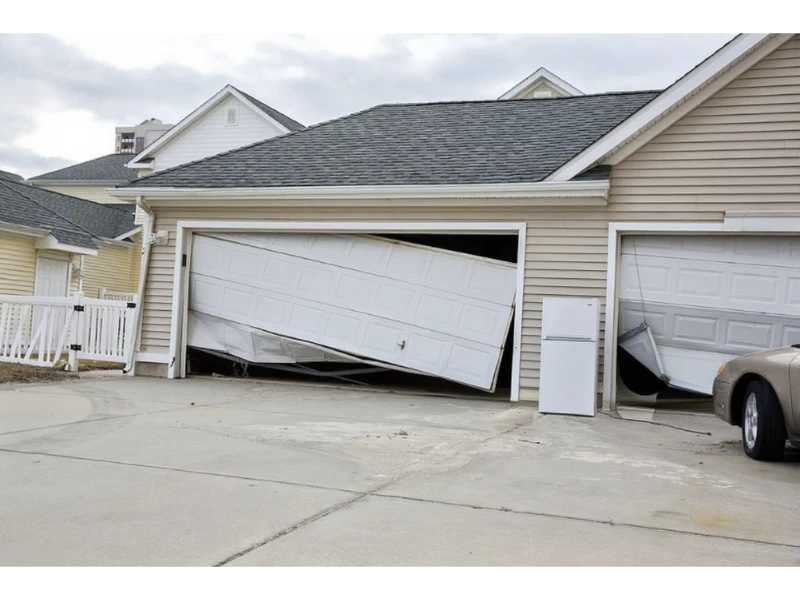
When rollers pop out, tracks bend, or cables lose tension, the door can jam, twist, or drop. That’s how people get hurt—and how openers burn out.
This page explains what “off-track” really means, what you should do right now, how we repair it, what parts often need replacement, and how to keep it from happening again.
Stop. Don’t Force It.
If your door is off track, forcing it can make the damage worse in seconds.
Do this right now
- Stop using the opener. Don’t keep pressing the button.
- Do not pull the emergency release if the door looks crooked or stuck halfway. The door may fall.
- Keep children and pets away from the opening.
- If the door is stuck open, avoid leaving the garage unattended.
If you must secure the home temporarily
- Keep the door where it is (do not force it closed).
- Remove valuables from view if the door is partially open.
- Call for service. Off-track issues rarely “self-fix.”
Quick safe check (no tools)
With the door closed (or as closed as it will safely go), look at:
- Both tracks: do they look straight?
- Both sides: do cables look equally tight?
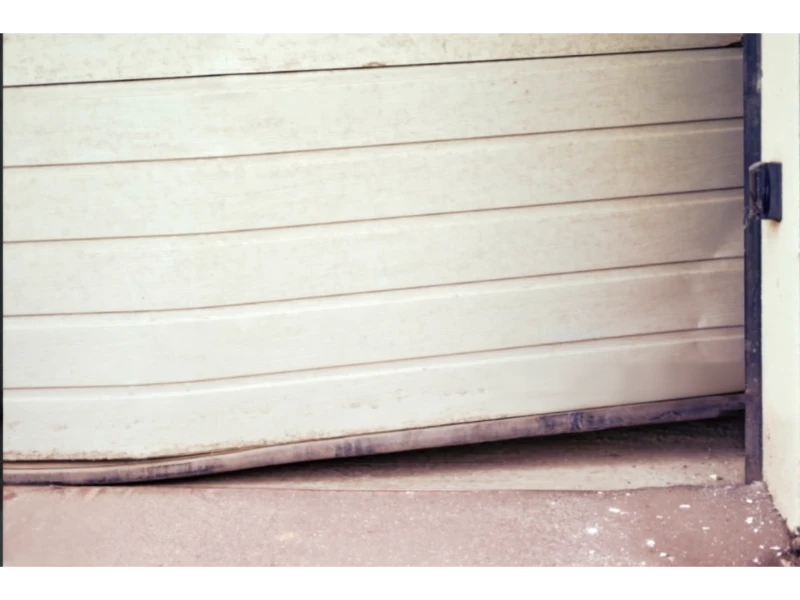
- Bottom corners: does one side “float” higher?
What “Off-Track” Looks Like (Real Signs)
An off-track door doesn’t always look dramatic. Sometimes it’s subtle at first.
Common symptoms
- Door sits crooked (one side higher)
- Rollers appear outside the track
- Door binds, stops, or jerks during movement
- Door rubs the frame or makes scraping sounds
- You see a loose cable or slack on one side
- The door closes but won’t seal and looks twisted
If anything looks uneven, stop there. Don’t touch the system.
Why Off-Track Doors Are Dangerous
A garage door is heavy. When it’s supported unevenly, it becomes unpredictable.
Main risks
- Door drop / crush hazard
A door can fall if tension is lost or the release is pulled. - Cable whip
A cable under tension can snap or recoil. - Track and bracket failure
Forcing the door can rip brackets from the wall. - Opener damage
The opener is not designed to lift a twisted, dragging door.
This is why professional handling matters. The goal is not just “get it moving.”
The goal is get it moving safely and straight.
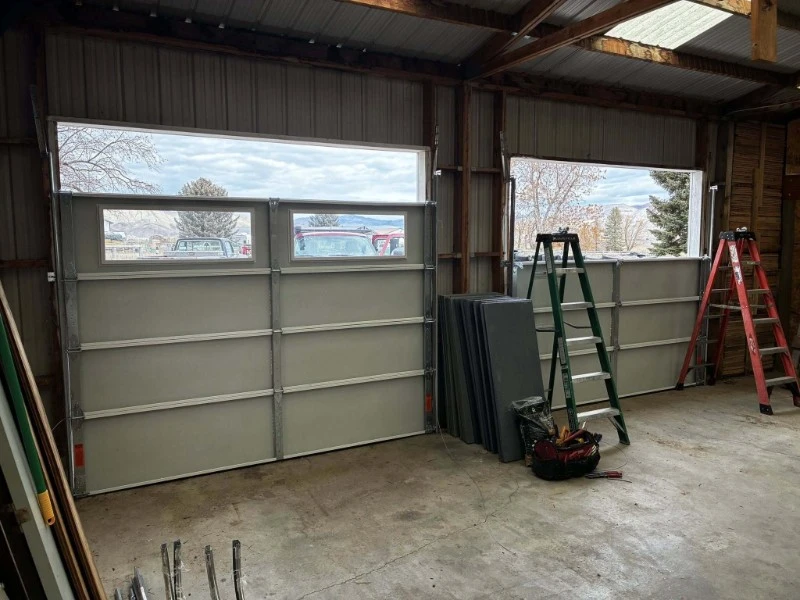
Quick safe check (no tools)
With the door closed (or as closed as it will safely go), look at:
- Both tracks: do they look straight?
- Both sides: do cables look equally tight?
- Bottom corners: does one side “float” higher?
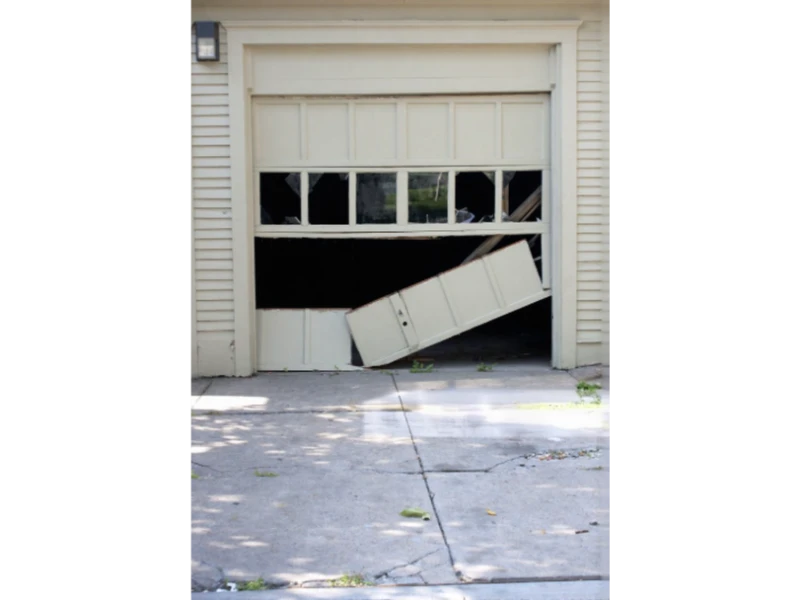
The Most Common Causes of an Off-Track Garage Door in Alvin
Off-track issues usually start with one weak point, then snowball.
- Worn rollers. Rollers wear over time. When they wobble or crack, they slip out more easily.
- Loose or bent tracks. Tracks can loosen from vibration, age, or a minor bump. A small bend near the bottom can derail the door quickly.
- Cable problems. Cables can fray, jump the drum, or lose tension—especially if the door is out of balance.
- Broken or weak spring. When a spring breaks or weakens, the door’s weight shifts. That can pull the door unevenly and throw it off track. door spring repair
- Impact (yes, even a small one) A light tap from a vehicle bumper or a trash bin can misalign a track enough to start derailing.
- Hardware loosening over time. Hinges, brackets, and track bolts can work loose. That’s why maintenance matters.
Related page: door-maintenance
What We Fix During Off-Track Garage Door Repair
An off-track repair isn’t one single action. It’s a sequence.
We secure the door first, then correct the cause.
Typical repairs include
- Resetting rollers into the tracks (only after securing the door)
- Straightening or replacing bent track sections
- Tightening and re-mounting loose track brackets
- Replacing worn rollers
- Replacing frayed or damaged cables
- Re-aligning drums and setting correct cable tension
- Checking door balance and spring condition
- Testing full open/close cycles safely
If the root cause is a broken spring or failing cables, we handle that on the same visit whenever possible.
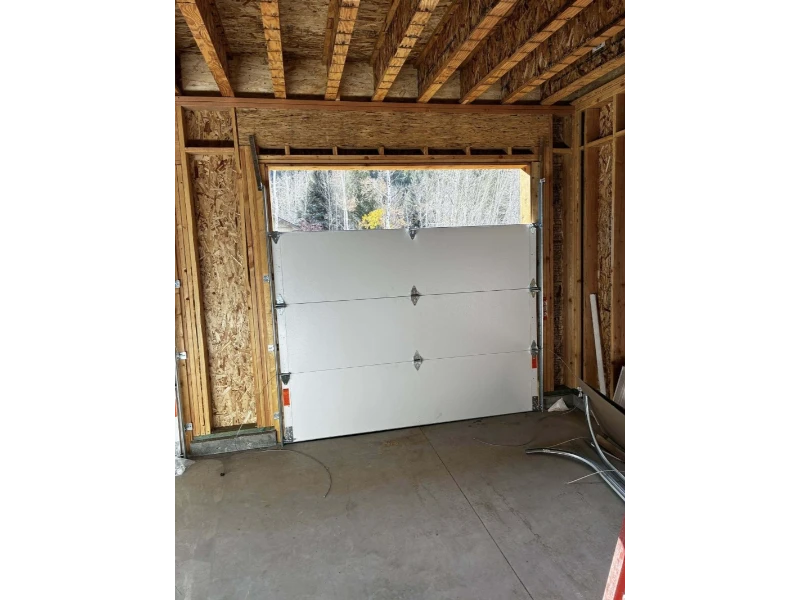
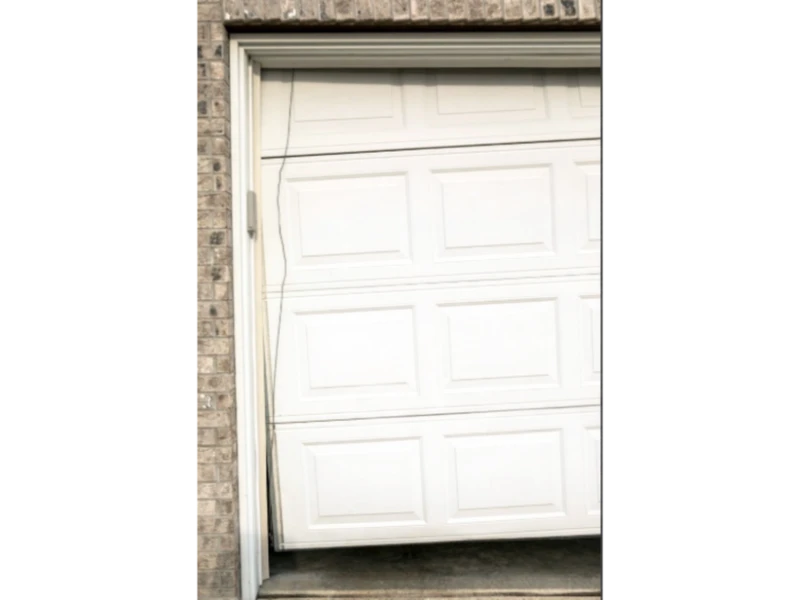
Off-Track Repair vs “DIY Push Back” (Honest Answer)
Many people try to push the door back into place. It often makes things worse.
What homeowners can safely do
- Stop using the opener
- Keep the door closed (if it’s safely closed)
- Clear the area
What homeowners should not do
- Pull the emergency release on a crooked door
- Attempt to re-seat rollers under tension
- Loosen track bolts “to make room”
- Force the door down
- Mess with springs or cables
If the door is off-track, it’s already unstable.
Safety beats speed every time.
| What you notice | What it usually means | What we typically do |
|---|---|---|
| One side higher than the other | Cable slipped or roller popped out | Secure door, reset rollers, correct cable tension |
| Loud scraping sound | Roller out of track or track bent | Re-seat rollers, straighten/replace track section |
| Door jams halfway | Track spacing/alignment issue or damaged roller | Align tracks, replace rollers, check hinges |
| Loose cable hanging | Cable damage or drum issue | Replace cable, set drums, inspect spring system |
| Door “shimmies” and shakes | Worn rollers / loose hardware | Replace rollers, tighten hardware, tune alignment |
| Opener strains or stalls | Door binding / out of balance | Fix track/rollers, balance door, test opener load |
Our Off-Track Repair Process (Step-by-Step)
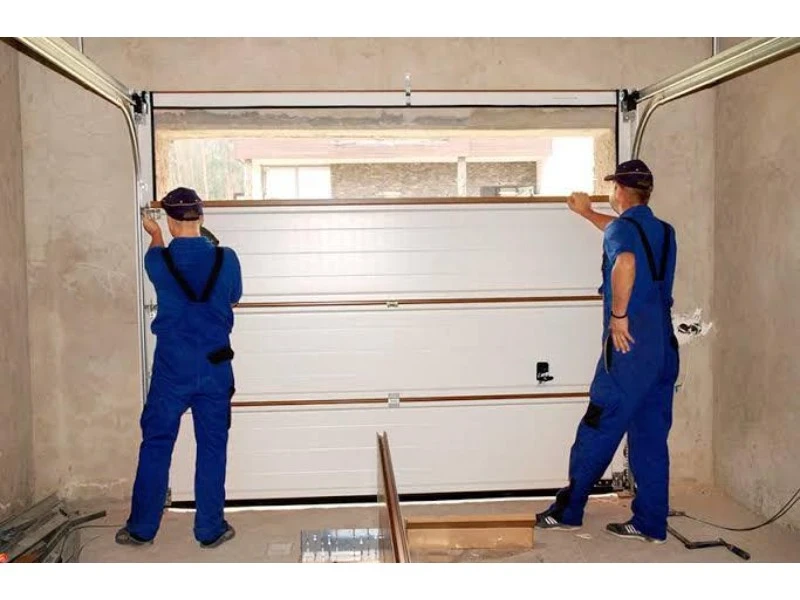
Step 1: Make the door safe
We stabilize the door so it can’t drop or twist further.
Step 2: Inspect the entire lift system
Off-track problems often involve more than the track:
- rollers
- hinges
- cables
- drums
- springs
- bearings
- opener connection points
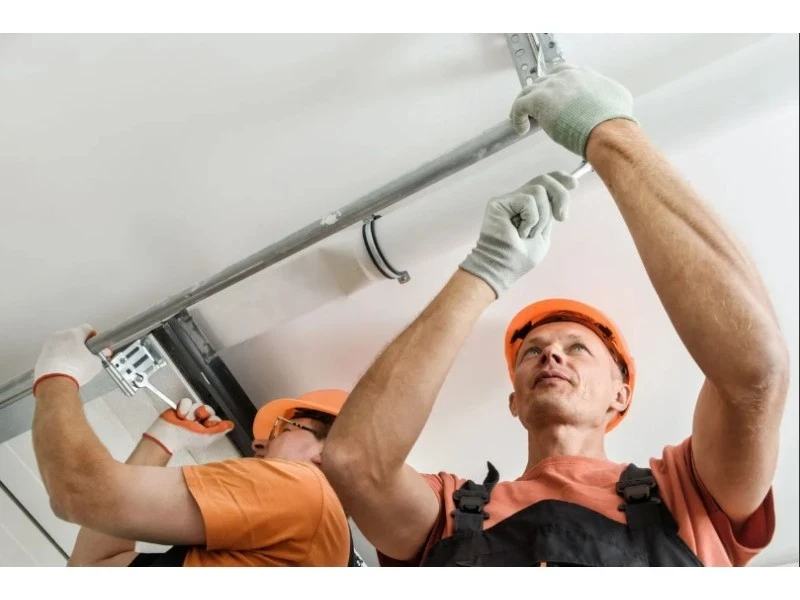
Step 4: Correct track alignment
We set:
- spacing
- plumb alignment
- mounting strength. A track that looks “mostly straight” can still derail a door if spacing is off.
Step 7: Final safety check
We ensure the door runs straight and doesn’t bind.
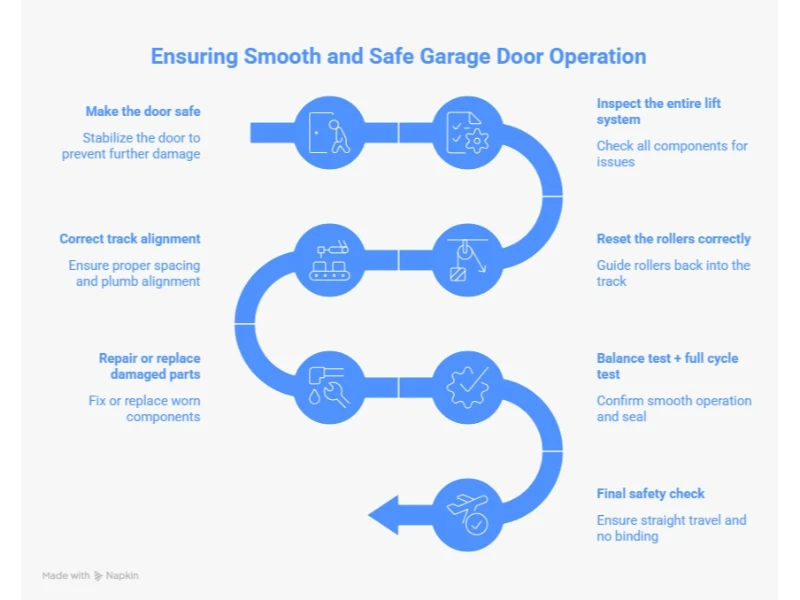
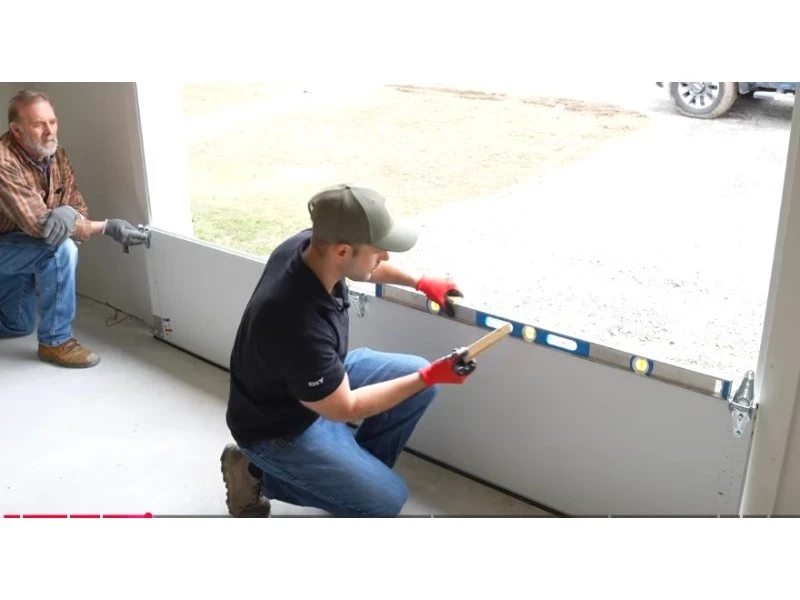
Step 3: Reset the rollers correctly
We guide rollers back into the track only after everything is stable and aligned.
Step 5: Repair or replace damaged parts
This is where most “cheap fixes” fail.
If you put a worn roller back into a bent track, it will come off again.
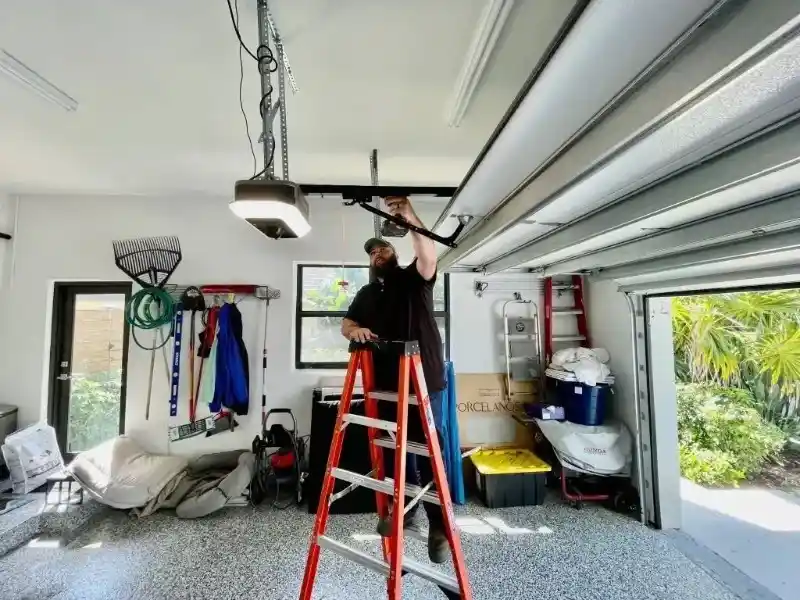
Step 6: Balance test + full cycle test
We test by hand first. Then with the opener.
We confirm smooth travel and proper seal at the bottom.
Parts We Commonly Replace on Off-Track Jobs
Off-track repairs often reveal parts that were already near failure.
Frequent replacements
- Rollers (worn, cracked, flat-spotted)
- Cables (frayed or stretched)
- Bottom brackets (worn or compromised)
- Track sections (bent or twisted)
- Hinges (cracked or loose)
- Bearings (rough, noisy, causing uneven motion)
Replacing the right parts once is cheaper than “resetting the door” every few months.
How Long Does Off-Track Repair Take?
Most off-track repairs are handled in one visit.
Typical time range
- Minor derailment + alignment: often 1–2 hours
- More time needed when: tracks are bent badly, cables are damaged, or springs are failing
If the off-track issue is tied to a spring problem, we may recommend spring service in the same visit.
Related page: door spring repair
What Affects the Cost of Off-Track Garage Door Repair?
Pricing depends on the cause and how much damage happened after the door derailed.
Main cost factors
- Door size and weight (single vs double)
- Track condition (minor alignment vs replacement)
- Roller type and how many need replacement
- Cable condition and drum alignment needs
- Spring condition (balanced vs failing)
- Opener strain (sometimes requires adjustments after repair)
- After-hours emergency service (if applicable)
What you should expect from a fair estimate
- Clear scope in writing
- Parts listed (rollers, cables, track, brackets if needed)
- Final safety testing included
- Practical advice on what to fix now vs later
Alvin-Specific Notes
In Alvin, a lot of families rely on the garage as the main entry. That means more cycles, more wear, and more “push it through” attempts when the door starts acting up.
Also, weekends can book up faster—especially when downtown activity increases near National Oak Park or seasonal traffic picks up near Froberg’s.
If your door is stuck open, call early. That’s the quickest way to get it secured.
Prevent Off-Track Problems (Simple Habits That Work)
You don’t need to be handy to prevent derailments.
You just need to react early.
Watch for early warning signs
- Door starts getting louder
- Door shakes on the way down
- Door looks slightly uneven at the bottom
- Rollers wobble in the track
- Cable looks frayed or uneven
Do these small things
- Keep tracks clear of debris (don’t grease the tracks)
- Clean sensor lenses
- Schedule a tune-up once a year
Related page: door maintenance
Don’t ignore this one sign
If the door ever looks crooked, stop using it.
That’s how off-track issues turn into cable failures.
Related Services
Off-track repair often connects to these services:
- Broken Spring Repair & Replacement
- Door Opener Repair
- Roller & Track Repair
- Annual Maintenance & Tune-Ups
- Emergency Door Repair
These pages support user intent and help Google understand your service depth.