
Garage Door Opener Repair in Alvin, TX
Fast fixes for openers that won’t open, won’t close, reverse, beep, or stop halfwayWhen it fails, it blocks your schedule.
The door won’t move.
Or it starts, then reverses.
Or the motor runs, but the door stays put.
Sometimes the lights flash and you just stand there… clicking the remote like it’s going to “try harder.”
This page explains what to do right now, what causes opener failures, what we repair, when replacement makes more sense, and how to avoid repeat problems.
Stop Doing This (It Makes the Problem Worse)
If the opener struggles, most people keep pressing the button.
That’s how small issues turn into burnt motors and snapped parts.
Do this instead
- Stop cycling the opener if the door doesn’t move normally.
- Look for obvious obstruction (trash bin, tool, broom handle).
- Check if the door is locked (manual lock engaged = opener fights the lock).
- If the door looks crooked or off-track, don’t pull the emergency release. Call first.
If your door is stuck open
Tell us right away.
That’s a security situation.
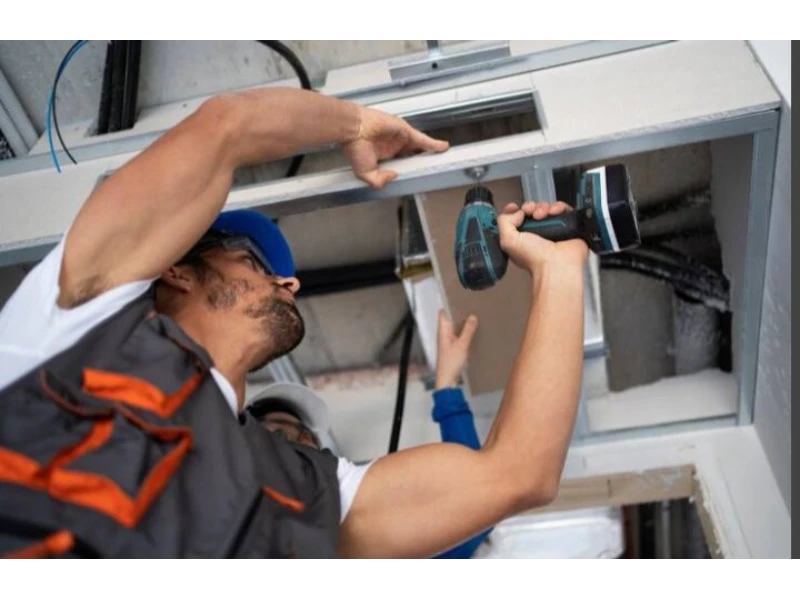
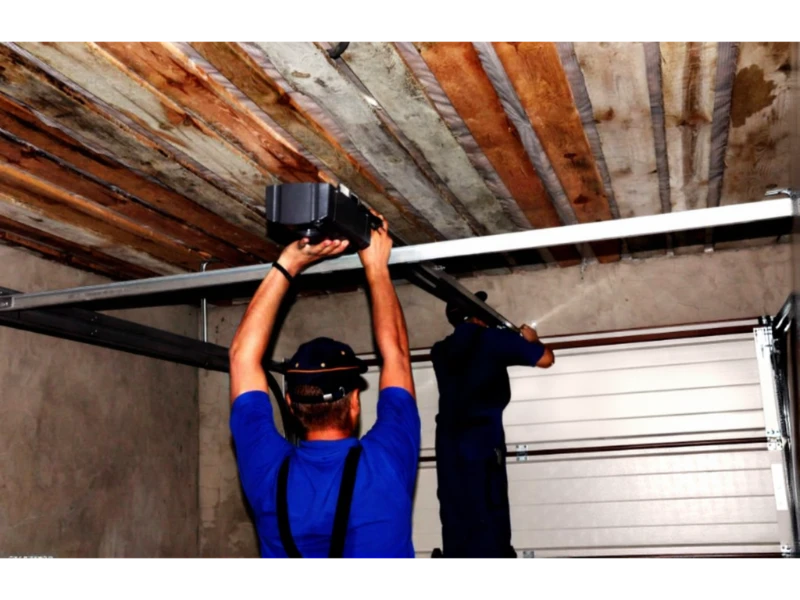
Common Signs Your Garage Door Opener Needs Repair
Most homeowners notice the failure in a few clear ways.
Your opener likely needs service if:
- Remote works sometimes, not always
- Door closes, then reverses
- Opener clicks but doesn’t run
- Motor hums but the door doesn’t move
- Door stops halfway
- Wall button works but remote doesn’t (or opposite)
- Opener lights flash repeatedly
- Safety sensors blink, and the door won’t close
- Door opens fine but struggles to close (or vice versa)
| What you notice | Most common cause | What we usually do |
|---|---|---|
| Opener runs, door doesn’t move | Broken spring, stripped gear, disconnected arm | Diagnose drive + check door balance |
| Door closes then reverses | Sensor alignment, track obstruction, force/travel settings | Align sensors, clear path, tune settings |
| Remote works only up close | Weak battery, interference, failing receiver | Replace battery, test signal, fix receiver |
| Door stops halfway | Binding door, worn rollers, opener force issue | Fix door friction, adjust safely |
| Opener has power but won’t run | Logic board, wall control, safety lock mode | Test circuits and controls |
| Door won’t close at night | Sensor angle, dirty lenses, sunlight/lighting interference | Clean/realign sensors, adjust placement |
Opener Repair Starts With the Door (Not the Motor)
Here’s what most companies won’t say clearly:
An opener is only as good as the door it’s lifting.
If the door is heavy, crooked, dragging, or out of balance, the opener struggles and fails early.
That’s why we always check:
- door balance
- roller/track friction
- cable tension and drum alignment
- spring condition
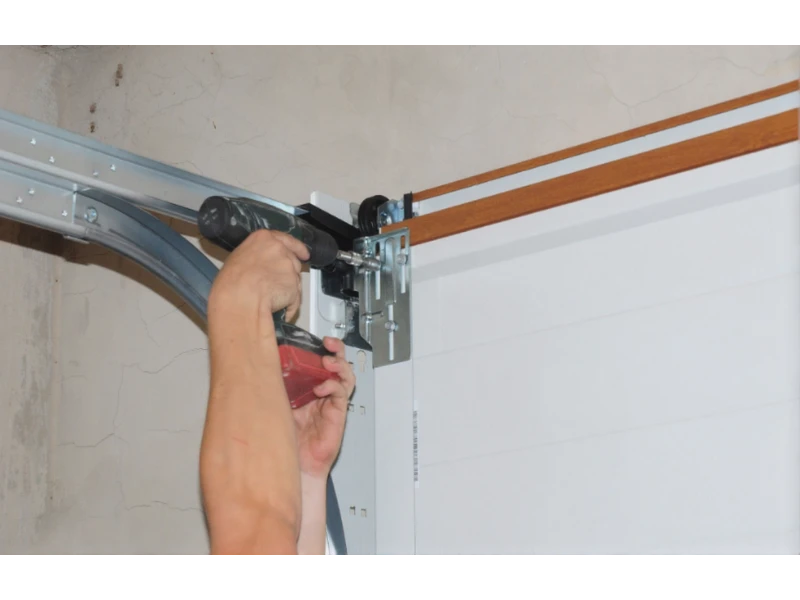
If your spring is weak or broken, an “opener repair” won’t hold, see Broken spring repair
If your door is off-track, the opener isn’t the first problem, see Off-track repair
Remote, keypad, and wall button issues
These are common after:
- battery changes
- power outages
- moving into a new home
- lost remotes
- code exposure
We:
- program remotes and keypads
- reset codes
- test receiver range
- replace wall controls if needed
What We Repair in Garage Door Openers (Alvin, TX)
We handle the opener problems that actually stop the door.
Safety sensor repair (photo eyes)
When sensors lose alignment or get blocked, the door often won’t close.
We:
- realign sensors
- clean lenses
- check wiring
- replace sensors if damaged
- test close cycle and safety reverse
Our Garage Door Opener Repair Process
Step 1 — Listen to your symptoms
We start with what you’re seeing and hearing. That matters.
Step 2 — Safety inspection + door balance check
We confirm the door moves smoothly by hand.
If it doesn’t, we fix the door first.
Step 3 — Opener diagnosis
We test:
- power and controls
- sensors
- travel/force behavior
- drive system
- receiver signal range
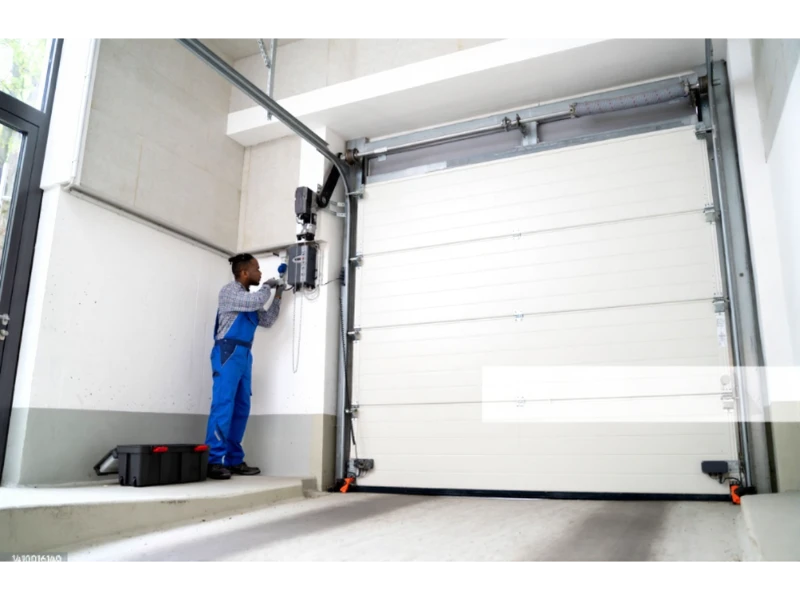
Step 6 — Practical handoff
We show you what failed and what to watch next.
Step 4 — Written estimate before work starts
Clear scope. Clear price. No guessing.
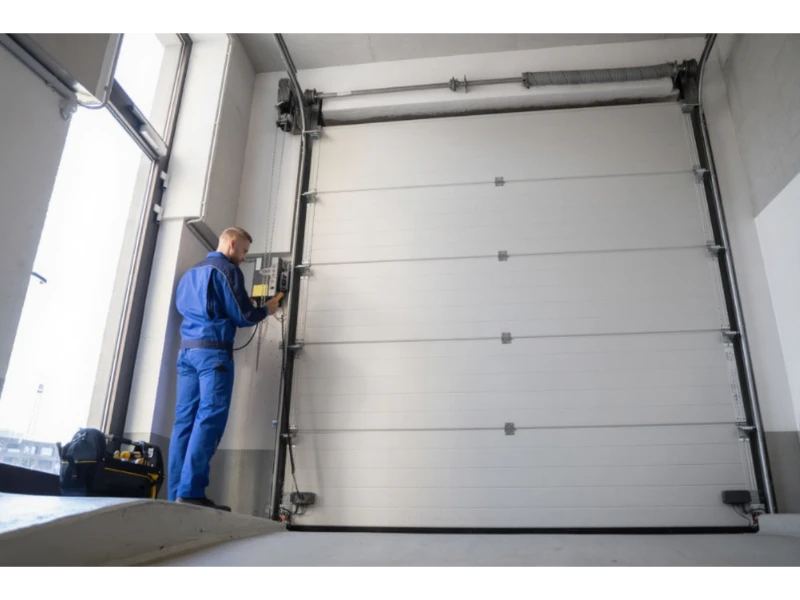
Step 5 — Repair and testing
We run full cycles and confirm:
- smooth open/close
- correct reversal behavior
- stable remote/keypad operation
Opener replacement (when repair doesn’t make sense)
If repair costs approach replacement value—or parts are unreliable—we’ll tell you straight.
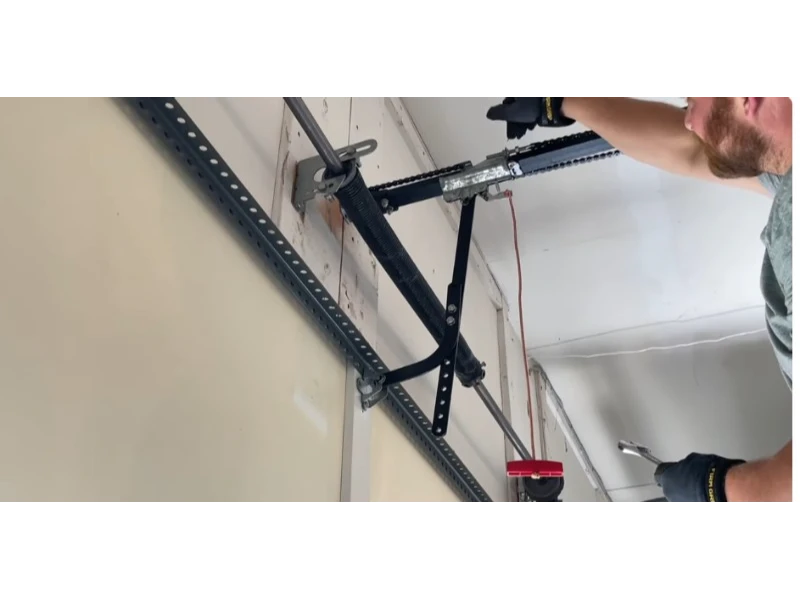
Opener gear and drive repairs
If the motor runs but the door doesn’t move, gears can be worn—especially in older units.
We inspect:
- gear kit condition
- chain/belt tension
- trolley and carriage
- opener arm attachment points
Wiring, power, and logic board troubleshooting
Sometimes the opener “has power” but won’t work right.
We check:
- outlets and GFCI resets
- loose wiring
- control board condition
- limits and safety circuits
Pricing: What Affects the Cost of Opener Repair?
We keep pricing honest, but opener jobs aren’t all the same.
Cost depends on:
- the opener type (chain/belt/screw/wall-mount)
- whether the issue is sensors, controls, drive system, or board
- door size and condition (dragging doors add work)
- parts needed (sensor set, gear kit, board, wall control, etc.)
- after-hours emergency service (if applicable)
What a fair estimate includes
- a clear diagnosis
- parts listed
- labor scope explained
- testing included
- straight advice: fix now vs plan replacement later
Belt drive openers
- smoother and quieter
- great for attached garages (especially if a bedroom sits above)
Screw drive openers
- fewer moving parts in some designs
- can be a good option depending on model and door weight
Opener Types We Work On (And How They Feel Day-to-Day)
You don’t need a technical lecture. You need the right fit.
Chain drive openers
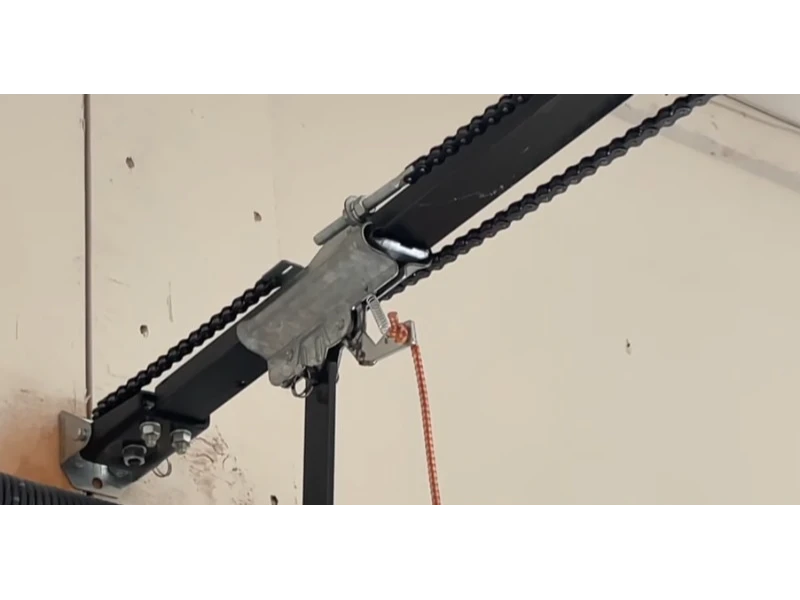
- strong, common
- usually louder
- good for detached garages or heavy use
Wall-mount (jackshaft) openers
- mounts beside the door
- frees ceiling space
- good if you want overhead storage or a cleaner look
We’ll recommend based on your door weight, how often you use it, and how quiet you want it.
Why Openers Fail in Alvin Homes (Real-World Reasons)
The big causes we see:
- Door used as the main entrance (lots of daily cycles)
- Heat and humidity stressing components and wiring
- Unbalanced doors putting extra load on the opener
- Worn rollers and hinges creating drag
- Power surges/outages causing control issues
- Sensor misalignment from bumps, vibration, or yard/garage activity
If your opener has been “working harder” for months, it eventually quits.
Fixing the door system protects the opener.
Repair vs Replacement: How We Help You Decide
Sometimes repair is smart. Sometimes it’s throwing money at an old unit.
Repair often makes sense when:
- sensors need alignment or replacement
- remote/keypad/wall control is the issue
- drive components are serviceable
- the opener is in good condition overall
- the door is balanced and healthy
If your opener has been “working harder” for months, it eventually quits.
Fixing the door system protects the opener.
Replacement often makes sense when:
- the opener is very old and unreliable
- the logic board is failing repeatedly
- parts are hard to sourcee
- you want quieter operation and smart features
- your door upgrade needs a stronger opener match
| Situation | Better move |
|---|---|
| Sensor issue / wiring issue | Repair |
| Remote/keypad programming | Repair |
| Opener struggles because door is heavy | Depends on total cost |
| Gear kit worn + older unit | Replace |
| Frequent breakdowns + noisy opener | Replace |
| You want quiet + Wi-Fi control | Replace |
“My Opener Works, But It’s Loud” — What Usually Causes That?
Noise doesn’t always mean the opener is dying.
Common causes of loud operation
- loose chain tension
- worn rollers (huge noise source)
- dry hinge points
- loose track brackets
- door out of balance
- vibration from mounting hardware
If the door rattles like it’s shaking apart, you may need hardware and roller service, see Roller, track & hinge repairs