
Garage Door Opener Installation in Alvin, TX
Quiet. Reliable. Correctly sized. Installed the right way from day one.Press the button. Door moves smoothly. No jerks. No rattles. No drama.
But an opener installation only works well when it’s matched to the door and installed correctly. The wrong opener (or a sloppy install) leads to the same problems you’re trying to escape: loud operation, random reversals, short lifespan, and constant service calls.
This page covers what opener type fits best, when to replace vs repair, what the install includes, and how to make sure you get a system that lasts.
When It’s Time to Install a New Opener
Some openers fail slowly. Some fail all at once. Either way, you end up stuck.
Install a new opener if:
- Your opener is old and unreliable
- The motor runs but the door doesn’t move (and repairs aren’t worth it)
- The unit is loud and shakes the whole garage
- You want quieter operation (especially with bedrooms above the garage)
- You need better security and modern access features
- Your door is heavier now (insulation, new panels) and the opener struggles
- You’re replacing the garage door and want a clean, matched system
If you’re unsure, see our repair page too:
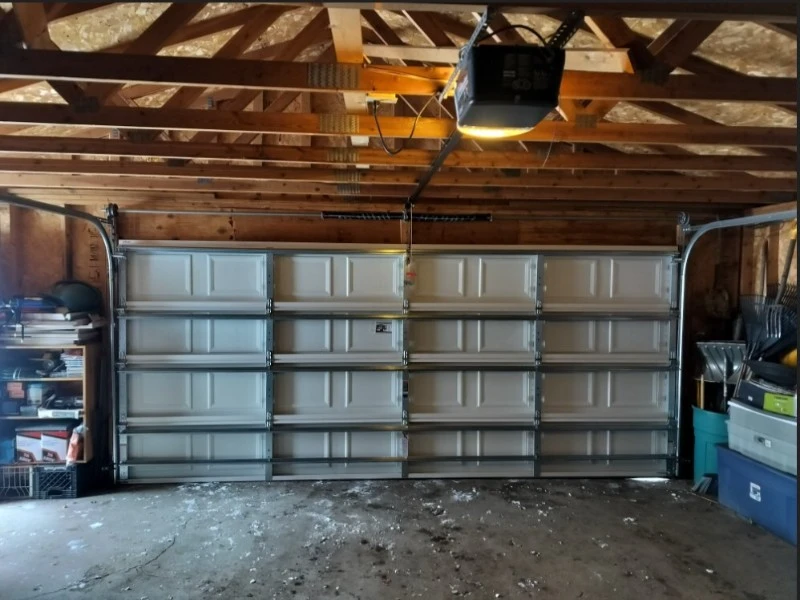
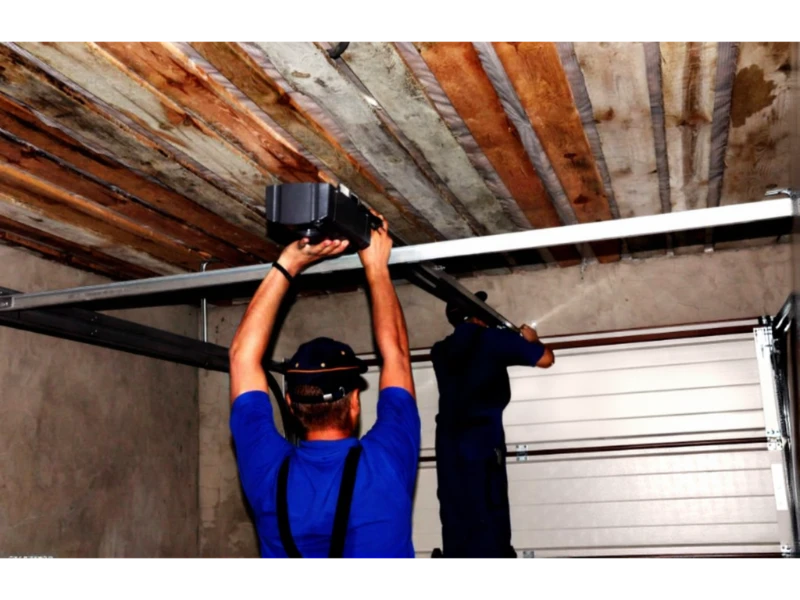
If we find a door issue, we’ll explain it clearly and offer options before we install.
Related pages:
Opener Installation Starts With Door Health (Important)
Here’s a truth most people learn too late:
A new opener won’t fix a bad door.
If your door is heavy, dragging, crooked, or off-track, a brand-new opener will still struggle.
Before installation, we check:
- door balance
- roller and track friction
- spring condition
- cable tension and drum alignment
- smooth manual operation
Choosing the Right Garage Door Opener (What Fits Best in Alvin)
Different openers feel different day-to-day. Your choice should match how you live.
Belt Drive Opener (Best for Quiet Homes)
Best for: attached garages, bedrooms above the garage, noise-sensitive homes
Why people love it: smooth and quiet
If you’re near downtown Alvin or in family-heavy neighborhoods where garage use is constant, belt drive is usually the most comfortable upgrade.
Chain Drive Opener (Strong and Budget-Friendly)
Best for: heavy doors, detached garages, value-focused installs
Why people choose it: durable and powerful
Tradeoff: typically louder than belt drive
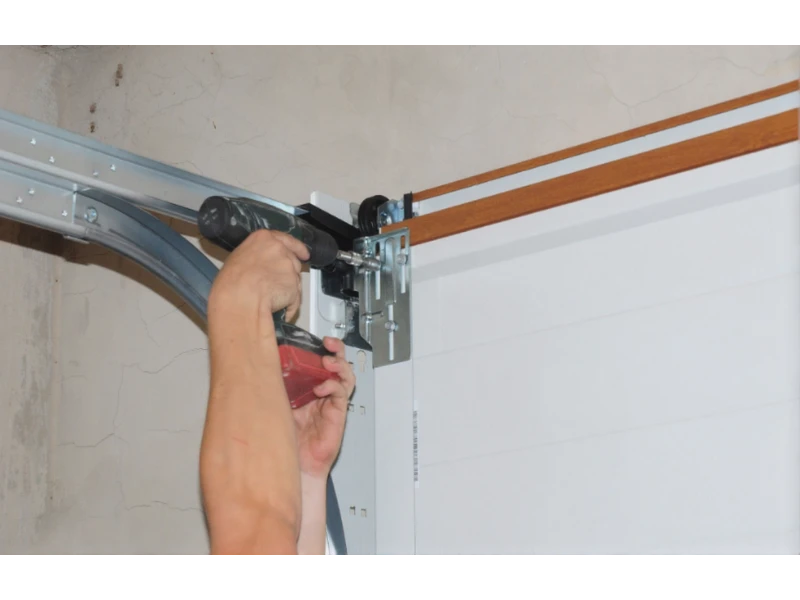
Screw Drive Opener (Simple, Fewer Moving Parts in Some Designs)
Best for: certain setups where you want a straightforward drive
Tradeoff: depends heavily on model and door condition
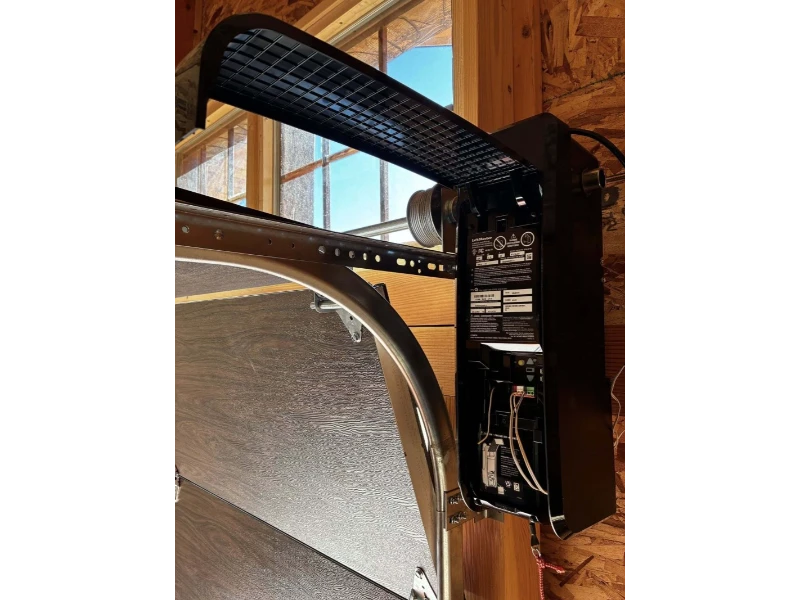
Wall-Mount (Jackshaft) Opener (Clean Ceiling, More Space)
Best for: garages with high ceilings, storage needs, or a cleaner look
Why it’s popular: frees ceiling space, modern feel
Note: door must be properly balanced and the torsion system must be healthy
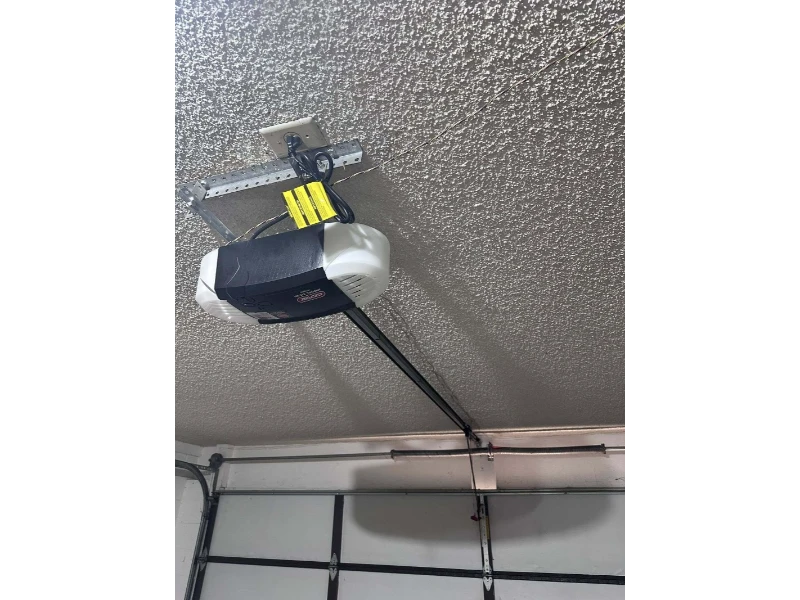
How We Help You Pick the Right Opener (No Guessing)
We recommend based on:
- door size and weight
- how often you use the door daily
- noise sensitivity in the home
- ceiling space and layout
- your access needs (keypad, multiple remotes, etc.)
If you’re upgrading the door too, we’ll match the opener to the new door from day one:
door installation
What’s Included in Our Opener Installation
A proper install is more than “mount the motor and leave.”
Remove old opener (if replacing)
We safely remove:
- motor unit
- rail system
- sensors and wiring (as needed)
- wall control (if being replaced)
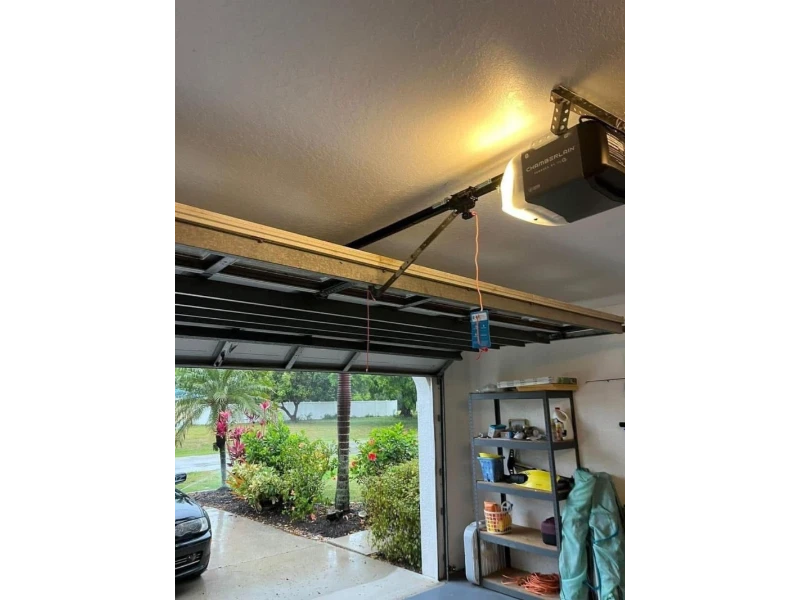
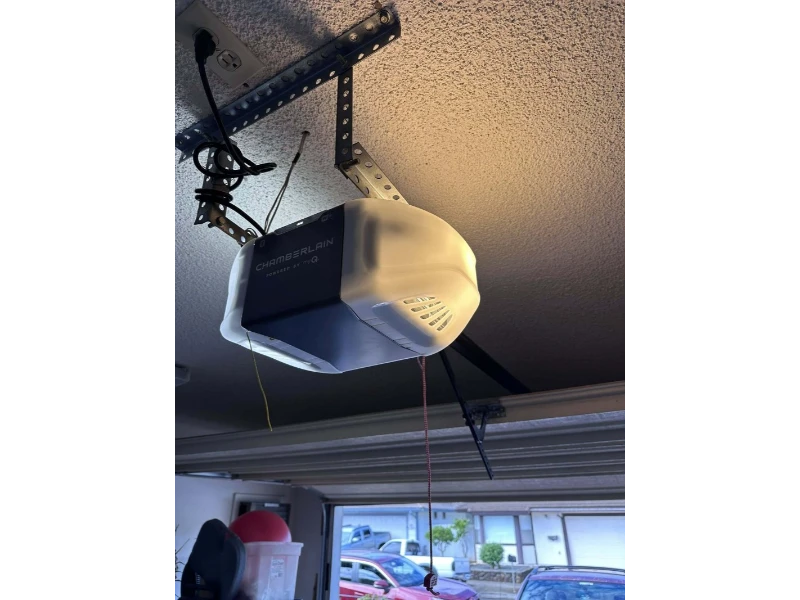
Install the new opener system
We install and secure:
- rail and trolley
- motor mounting
- vibration-stable supports
- door arm connection points
- ceiling brackets and fasteners
Install and align safety sensors
Sensors must be aligned correctly for reliable closing.
Full testing and walkthrough
We test:
- smooth open/close cycles
- sensor function
- consistent remote range
- door behavior under normal use
Set travel limits and force settings (safely)
We set:
- open height
- close position
- safe force response (without stressing the door)
Program remotes and keypad
We can set up:
- remotes
- keypad
- multiple vehicles (when compatible)
Related page: keypad remote programming
Then we show you:
- how to operate it
- how to change keypad codes
- what to watch for over time
Smart Add-Ons That Most Homeowners Love
These aren’t “extras for the invoice.”
They’re upgrades that improve daily life.
Popular upgrades
- Keypad entry (no keys needed)
- Extra remotes for multi-car families
- Quiet roller upgrade if your door is still noisy
roller track hinge repairs - Weather sealing if you want a tighter garage
weatherproofing seals rodent exclusion - Annual tune-up plan to keep everything smooth
door maintenance
What Affects the Cost of Opener Installation?
Pricing depends on your setup and your goals.
Main cost factors
You’ll get a written estimate with clear options.
“Do I need a stronger opener for a heavy door?”
The opener should match the door. Heavy doors need correct springs and smooth travel first. We size the opener accordingly.
How Long Does Opener Installation Take?
Typical time range
- Most opener installs: 2–4 hours
- More time needed if: wiring needs cleanup, door needs balancing, or hardware needs correction
We’ll give you a clear plan before we start and keep the work area clean.
Common Questions People Ask Before Installing a New Opener
You don’t need a technical lecture. You need the right fit.
“Can I keep my old sensors or wall button?”
Sometimes yes, sometimes no. Compatibility varies. We’ll confirm before we install.
“Will a new opener make my door quieter?”
Often, yes—especially if the old opener was loud.
But noise also comes from rollers, hinges, and track alignment. If the door shakes, we address the hardware too.
Alvin-Specific Scheduling Note (Real Life)
Weekend schedules can fill fast—especially when downtown activity picks up around National Oak Park or seasonal traffic increases along Highway 6 near Froberg’s.
If your opener is failing and you want replacement before a holiday weekend or a busy week, book early.