
Maintenance & Tune-Up Garage Door Alvin, TX | Annual
Prevent breakdowns, reduce noise, protect your opener, and keep your door safeThey build up quietly.
A roller gets rough.
A hinge loosens.
A track drifts slightly.
The door starts to feel heavier.
The opener works harder to compensate.
Then one day you hear a bang, the door won’t lift, and the whole schedule stops.
If you’re in Alvin (77511 / 77512) near Highway 6, Hwy 35, or around National Oak Park, a yearly tune-up is one of the simplest ways to protect one of the heaviest moving systems in your home.
Who This Service Is For (And Why It’s Worth It)
A tune-up is perfect for:
- Homeowners using the garage door multiple times a day
- Families who use the garage as the main entrance
- Anyone with a door that’s getting louder or shakier
- People who want to avoid emergency calls and surprise repairs
- Landlords and property managers who want fewer tenant complaints
- Homeowners preparing to sell (quiet, smooth doors show well)
Maintenance costs less than emergency repair.
And it keeps your opener from burning out by lifting a door that’s out of balance.
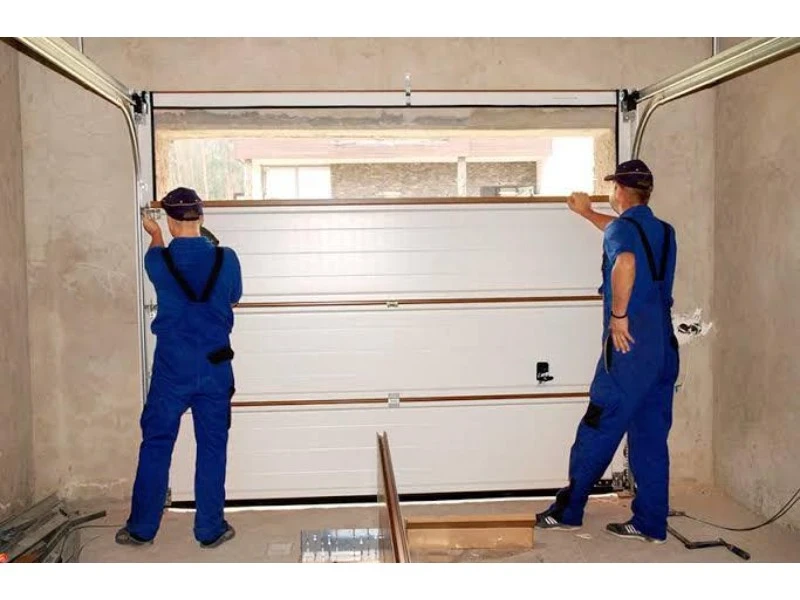
Signs Your Garage Door Is Due for Maintenance
Your door gives warning signals. Don’t ignore them.
Common signs
- Door is noisier than last month
- Door shakes while moving
- Door feels heavy when lifted by hand
- Door closes but doesn’t seal evenly
- Opener strains, pauses, or sounds louder
- Remote range seems inconsistent
- Door reverses unexpectedly (sensor or resistance issue)
If you notice any of these, a tune-up can prevent bigger repairs.
What’s Included in Our Maintenance & Tune-Up Garage Door Alvin
We don’t do “spray-and-go.”
A real tune-up is inspection + adjustment + safety checks.
Full visual inspection (the foundation)
We inspect:
- springs (torsion or extension)
- lift cables and cable routing
- drums and bottom brackets
- rollers and hinges
- vertical and horizontal tracks
- center and end bearings
- mounting hardware and back-hang supports
- opener attachment points and rail/trolley condition
This helps us spot wear before it becomes a failure.
Related page: spring repair
Door balance test (the most important check)
A properly balanced door should lift smoothly by hand and stay in place around mid-height.
If it falls or shoots up, the spring system is not balanced.
Balance matters because:
- it reduces strain on the opener
- it prevents cable and drum issues
- it keeps the door traveling straight
If the door is out of balance, we’ll explain the options clearly.
Lubrication (only where it belongs)
Lubrication helps, but only when applied correctly.
We lubricate:
- hinge pivot points
- rollers (where appropriate)
- bearings (where applicable)
We do NOT grease the tracks.
Greasy tracks collect dirt and cause buildup that makes rollers bump and bind.
Safety sensor and reversal test
Safety matters. If the door doesn’t reverse properly or sensors aren’t aligned, it can become a hazard.
We:
- inspect sensor alignment
- clean lenses if needed
- confirm the door closes reliably without false reversals
- verify the system responds correctly
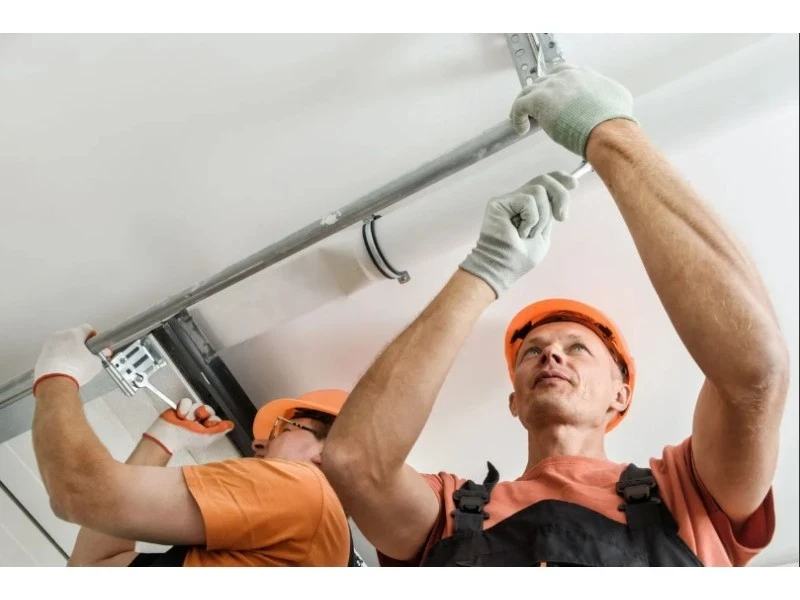
Track alignment and mounting strength check
Tracks must be:
- securely mounted
- correctly spaced
- aligned for smooth roller travel
Loose brackets or small bends often cause:
- scraping noises
- jerky movement
- future off-track events
Related page: roller track hinge repairs
Related page: off-track repair
Hardware tightening (done safely)
Garage doors vibrate. Bolts loosen over time.
We tighten key hardware (without messing with spring tension components unless service is required).
This reduces rattles and keeps the door stable.
Roller and hinge condition check
Worn rollers and hinges create drag and noise. Drag kills openers early.
We look for:
- cracked nylon rollers
- seized steel rollers
- hinge cracks and loose hinge screws
- excessive side-to-side play
If parts need replacement, we’ll show you why and quote it clearly.
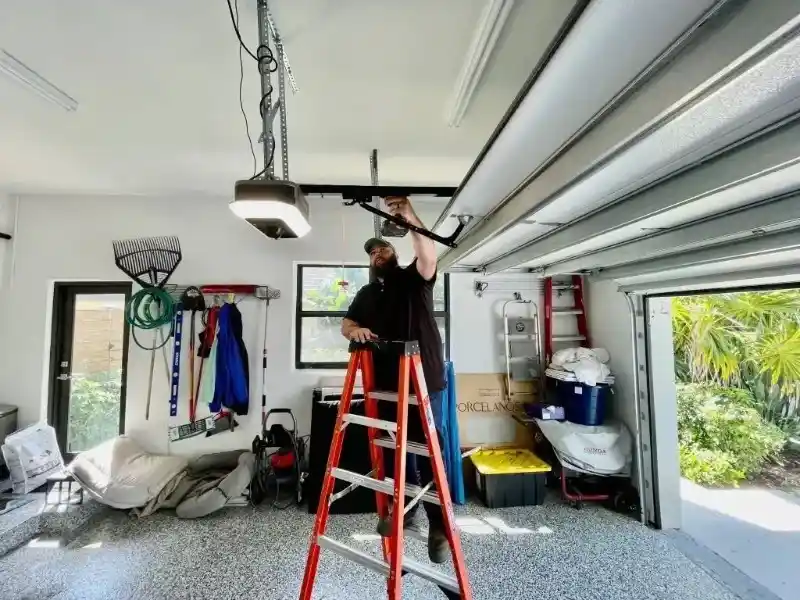
Opener performance check
We check:
- opener noise and strain level
- chain/belt condition and tension
- rail alignmen
- door travel behavior
- keypad/remote function (basic check)
If your opener is working hard because the door is heavy, we address the door first.
Related page: opener repair
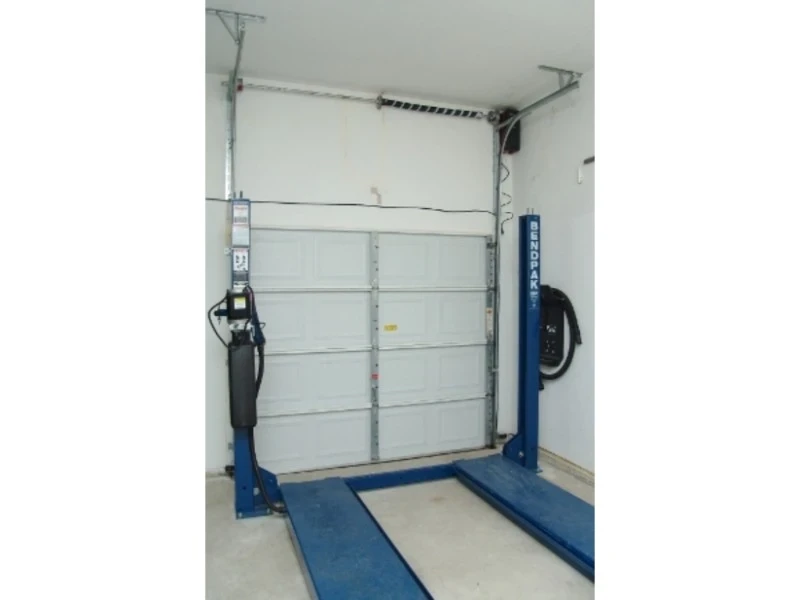
What You Get After a Tune-Up (Clear Deliverables)
At the end, you’ll know:
- what’s in good shape
- what’s wearing out
- what needs attention now vs later
- how the door should feel and sound when it’s healthy
No mystery. No pressure.
“Tune-Up vs Repair” — When Maintenance Becomes a Fix
Sometimes people book a tune-up and we find a real repair issue. That’s normal.
Tune-up usually solves:
- mild noise
- light shaking
- minor alignment drift
- loose hardware
- sensor misalignment
- early-stage wear
Tune-up may uncover repairs like:
- weak/broken springs
- frayed cables
- worn rollers that should be replaced
- track sections bent enough to risk derailment
- opener drive wear
If we find something unsafe, we’ll stop and show you before proceeding.
What a Tune-Up Prevents (The Expensive Stuff)
A yearly tune-up helps prevent:
- broken spring surprises
- cable failures and drum slips
- off-track incidents
- opener burnout
- panel stress from twisted travel
- emergency “door stuck open” calls
Most emergency repairs start as small friction or imbalance issues.
What Affects the Cost of a Tune-Up?
Tune-ups are straightforward, but cost can vary based on door type and condition.
Main cost factors
- single vs double door
- door weight and insulation
- hardware wear level
- opener type
- commercial vs residential setup
- additional parts (rollers, hinges, seals) if you choose upgrades
We’ll keep it clear and written.
How Often Should You Get Maintenance in Alvin?
Our simple recommendation
- Once per year for most homeowners
- Twice per year if you:
- use the door as the main entrance (many daily cycles)
- have a heavy insulated door
- have an older opener
- run a small home workshop
- manage rental properties
In Alvin, frequent use plus weather swings makes yearly maintenance a smart baseline.
The Best Time of Year to Schedule a Tune-Up
Schedule before you’re busy.
Good timing:
- Before summer heat peaks (door parts expand and strain increases)
- Before storm season ramps up (you don’t want weak hardware in high wind)
- Before holidays and travel (avoid getting stuck)
- Before a home listing or open house (quiet doors make a better impression)
If you’re planning to host guests during busy weekends—especially around downtown activity near National Oak Park—book early so you don’t end up with a last-minute breakdown.
Simple Maintenance Tips You Can Do Yourself (Safe + Helpful)
You don’t need to be a technician. You just need to notice changes early.
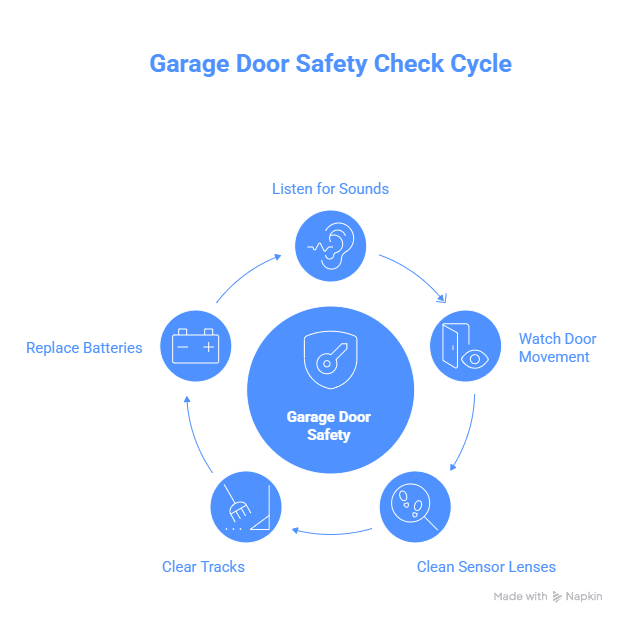
Safe DIY checks
- Listen: new grinding or popping sounds are early warnings
- Watch: door should travel straight and smooth
- Clean sensor lenses: a dirty lens can cause false reversals
- Clear tracks: remove debris (don’t grease tracks)
- Replace remote/keypad batteries before they die
What NOT to do
- Don’t touch or adjust springs
- Don’t loosen bottom brackets (cable tension risk)
- Don’t force the opener when the door struggles
- Don’t pull the emergency release on a crooked/off-track door
If the door feels heavy by hand, call. That’s often spring balance.
How Long Does a Tune-Up Take?
Most annual tune-ups are completed in one visit.
Typical time range
- Standard residential tune-up: 45–90 minutes
- More time needed if: parts are heavily worn or the door needs alignment correction
If we find needed repairs, we’ll quote them separately and let you decide.
Tune-Ups for Landlords & Property Managers
If you manage rentals around Alvin, tune-ups reduce:
- tenant calls
- emergency lockouts
- property damage from off-track doors
- the garage door is too loud” complaints
Best practice
- schedule maintenance annually at minimum
- inspect before new tenant move-in
- reset keypad codes at turnover
Related page: keypad remote programming
Related Services
Maintenance connects directly to these pages: