
Garage Door Seals & Rodent Proof Alvin, TX | Weatherproofing
Stop drafts, block water, keep pests out, and make your garage feel “finished”If it has gaps, you feel it right away.
Hot air sneaks in. Dust collects fast. Rain blows under the door. Bugs show up. Then you spot chewed corners or droppings and realize something small found its way inside.
If you’re in Alvin near Highway 6, Hwy 35, or around downtown by National Oak Park, you’ve seen what wind-driven rain and dusty days can do. A few small upgrades can make a big difference.
What This Service Fixes (Real Problems, Real Results)
You might need weatherproofing if you notice:
- Daylight under the door when it’s closed
- Water lines on the concrete after a storm
- A musty smell or damp cardboard boxes
- Dust and leaves blowing in
- Bugs near the corners or along the wall
- A draft that makes the garage feel hotter in summer and colder in winter
- Noise from outside more than it should
- Signs of pests (chewed seal, droppings, nests in stored items)
This is also one of the best “quiet upgrades” for the home. A properly sealed door closes softer and reduces rattling from vibration.
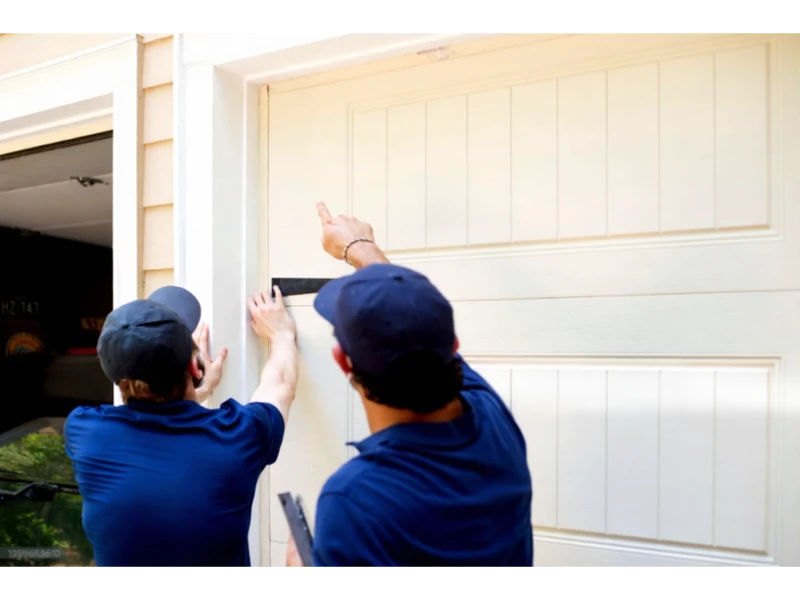
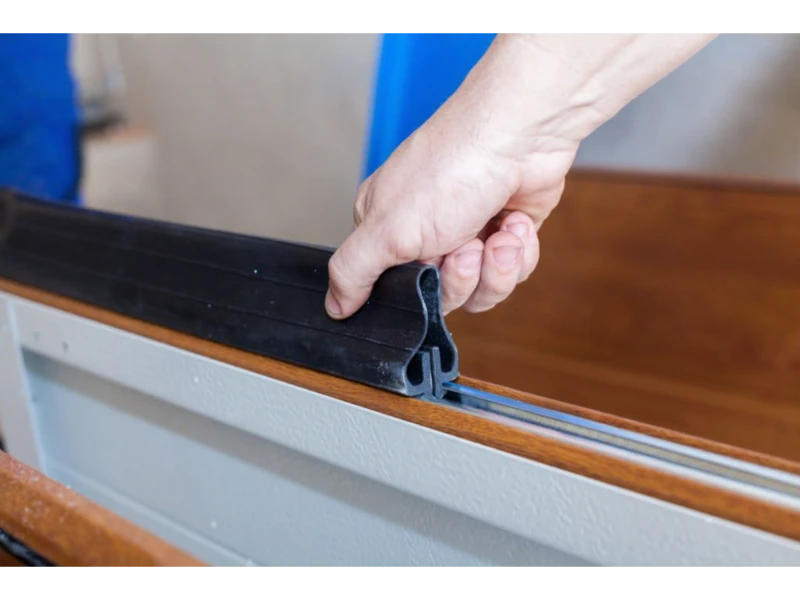
Top seal
A small top gap can let in dust, insects, and heat. It also lets water creep in during hard rain.
Damaged or missing trim / stop molding
Even a “good door” won’t seal if the stops are loose or warped.
The Usual Entry Points (Where the Garage Door Leaks)
Most gaps are not random. They happen in predictable spots.
Bottom gap (most common)
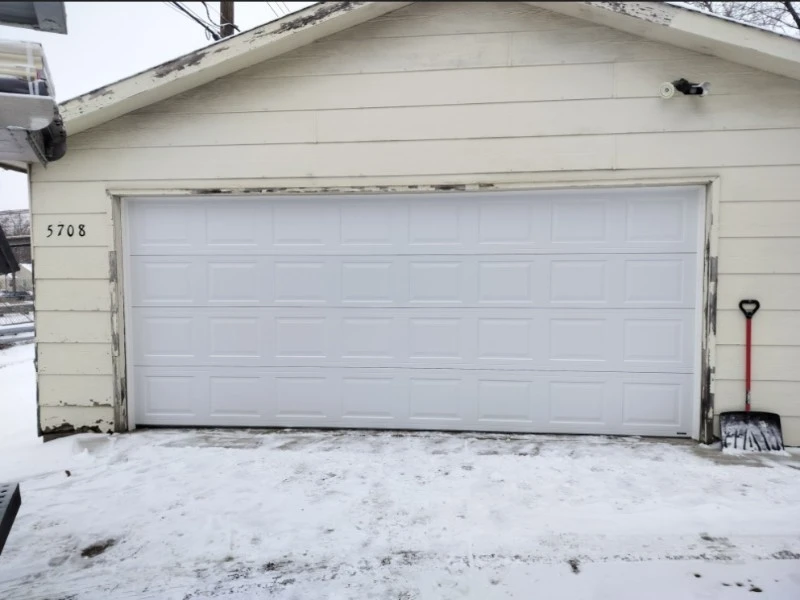
Concrete slabs aren’t always perfectly level. The door closes… but the bottom seal can’t touch evenly across the full width.
Bottom corners
Corners are the favorite entry point for bugs and small rodents because the seal compresses unevenly there.
Side jambs
Side seals wear, curl, or tear. Wind pushes rain and dust right through.
Misaligned door (the hidden cause)
If the door is slightly crooked, it won’t press evenly against seals. That’s why we always check basic door travel and alignment before we call it a “seal problem.”
Rodent Exclusion: What We Do (And What We Don’t)
Let’s keep it straight.
We DO:
- Close the gaps rodents use at the door line
- Replace chewed seals with tougher fit and better corner closure
- Add thresholds and perimeter sealing when needed
- Identify the “repeat entry” spots so you don’t play whack-a-mole
We DON’T:
- Provide pest control, trapping, or poison services
(If you need that, we’ll suggest pairing our sealing with a local pest control company. Sealing works best when you remove the attractant and the animals.)
Why sealing matters:
Even if you trap one rodent, another can come back if the entry point stays open.
| What you notice | Most likely cause | What we typically recommend |
|---|---|---|
| Daylight under the middle | Bottom seal worn / flattened | Replace bottom seal (and retainer if needed) |
| Daylight at one corner only | Uneven slab, door out of level, corner seal worn | Corner sealing + bottom seal + alignment check |
| Water blowing in during storms | No threshold + weak side seals | Threshold + side/top perimeter seals |
| Dust piles near edges | Side seals curled / gaps at top corners | New perimeter seals + corner attention |
| Bugs near garage door edges | Gaps at corners/trim | Tight perimeter seals + corner closure |
| Chewed rubber at bottom | Rodent pressure points | Rodent-focused bottom and corner sealing |
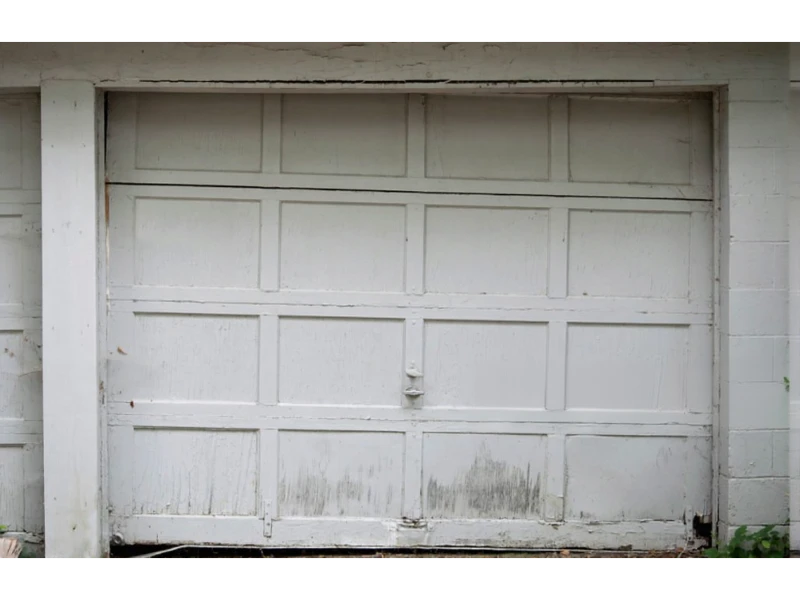
Threshold seal (floor threshold)
This is the strip installed on the concrete floor where the door lands.
It helps when the slab is uneven or water pushes toward the garage.
Best for
- Wind-driven rain
- Uneven concrete
- Extra rodent and insect resistance at the bottom line
Corner sealing and “rodent pressure points”
Corners get abused. We reinforce the closure at corners so pests can’t “work” the same weak spot again.
The Parts We Use
Bottom seal (door seal / astragal)
This is the rubber or vinyl strip attached to the bottom of the door.
It’s the first line of defense against water, dust, and pests.
Common signs it’s failing
- Cracks, tears, or missing chunks
- Flattened rubber that no longer compresses
- Chewed edges at corners
- Water slipping under even in light rain
Bottom retainer
The “track” that holds the bottom seal in place.
If it’s bent, rusted, or too loose, even a new seal won’t sit right.
Perimeter seals (side + top)
These are the seals around the frame.
They block wind, dust, and insects and help reduce outside noise.
Our Garage Door Seals & Rodent Proof Alvin Process (How We Do It)
We don’t show up and slap on rubber. We treat it like a system.
Step 1 — Inspection and gap mapping
We check:
- Where daylight shows
- Where water marks appear
- Corner compression
- Side/top seal condition
- Door alignment and smooth travel
- Bottom retainer condition
- Signs of chewing or pest entry
Step 2 — Choose the right seal setup (not a one-size kit)
We match materials and fit to:
- door style (sectional, single-panel, etc.)
- slab condition (level or uneven)
- exposure (wind/rain direction)
- pest pressure (evidence of chewing or entry)
Step 5 — Practical tips for long life
You’ll get quick guidance on:
- what to watch for
- when to replace again
- how to keep corners from becoming the weak spot

Step 3 — Install and fit cleanly
We replace:
- bottom seal (and retainer if needed)
- side/top perimeter seals
- threshold when it makes sense
Then we fit everything so the door closes tight without binding.
Step 4 — Close test + contact test
A seal should compress evenly.
Too loose = gaps. Too tight = opener strain and premature wear.
We check:
- smooth close
- even seal contact
- no dragging or binding
- no “bounce back” at the bottom
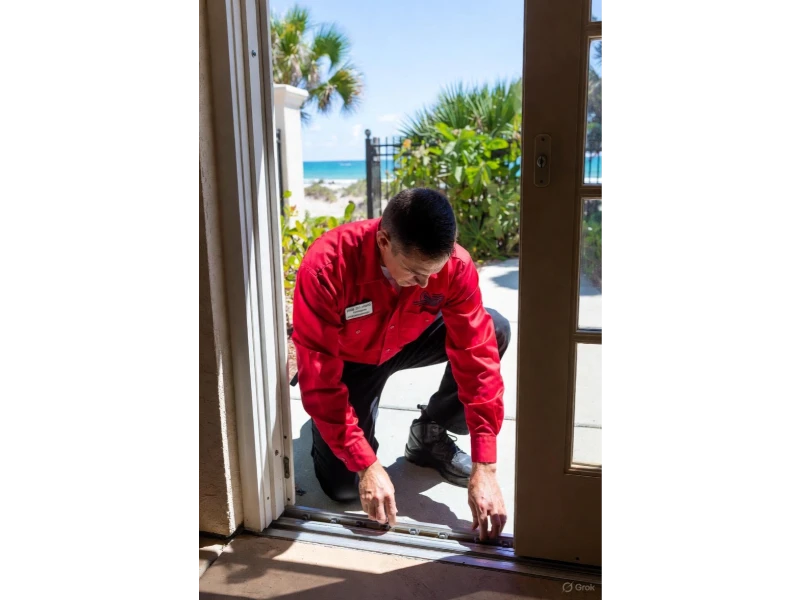
“Will This Actually Stop Water?”
Most of the time, yes—if the water is coming through the garage door line.
But there’s an honest detail here:
Water can enter in two ways
- Through gaps at the door (this page fixes that)
- From grading/drainage outside (yard slope pushing water to the garage)
We’ll tell you which one it looks like.
If it’s a grading issue, seals help, but you may also want drainage improvements outside.
What Affects Cost?
Pricing depends on how many areas need attention and what condition the door is in.
Main cost factors
- Single vs double door
- Bottom seal only vs full perimeter sealing
- Threshold install needed or not
- Condition of bottom retainer
- Door alignment issues affecting seal contact
- Evidence of chewing (may require stronger corner solutions)
What you should expect from a fair estimate
- Exactly what’s being replaced
- Materials included
- What problem each piece solves
- A quick explanation of what to watch next
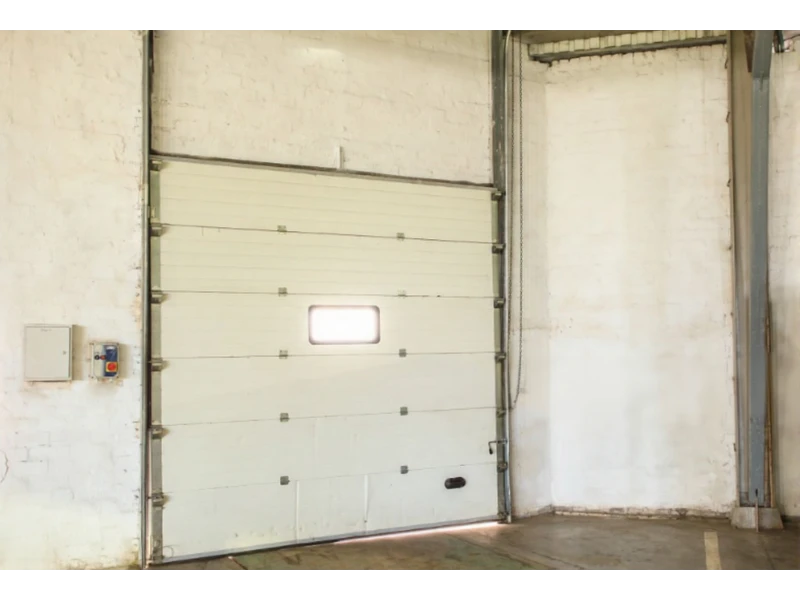
The corner check
Push lightly on the bottom corners from inside (door closed).
If the seal feels loose or you can see a gap, corners need attention.
If you spot chewed seal edges, don’t ignore it. That’s usually repeated entry behavior.
Practical DIY Checks You Can Do Today (Safe + Simple)
You don’t need tools. You just need 3 minutes.
The flashlight test
At night, close the door and turn on a light inside the garage.
Walk outside and look for light leaks around the bottom and edges.
The “storm line” checkThe flashlight test
After rain, look for water marks.
If the water line matches the door width, seals and threshold are usually the fix.
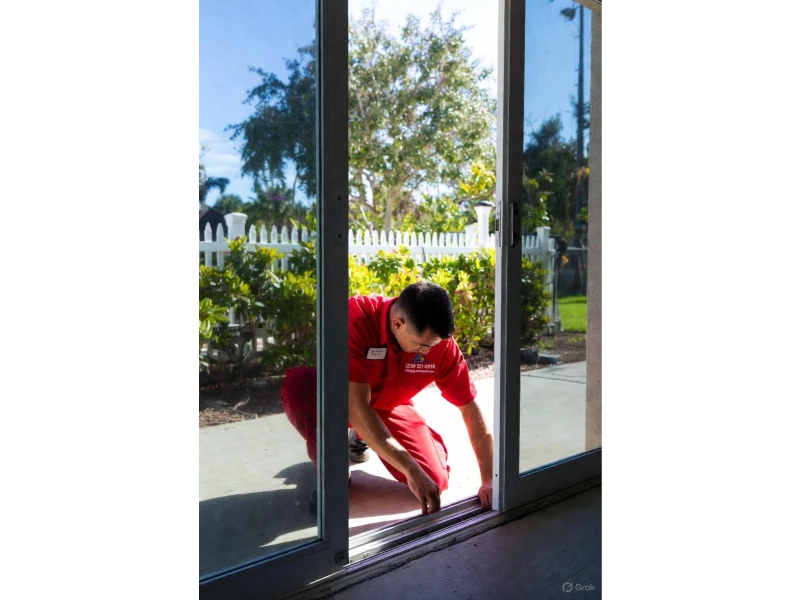
“Why does my new seal wear out fast?”
Usually one of these:
- door is out of alignment
- bottom retainer is damaged
- slab is uneven and corners take the hit
- the door drags and chews the seal
We address the cause, not just the rubber.
Common Questions We Hear in Alvin
“My door closes, but there’s still a gap. Is that normal?”
A tiny, even compression line is normal. A visible gap or daylight is not.
“Can you seal my garage door without making it hard to close?”
Yes. That’s the goal. We fit seals so they compress properly without causing the door to bind or the opener to struggle.
How Long Does Weatherproofing Take?
Most seal jobs are completed in a single visit.
- Bottom seal replacement: often under 1 hour
- Full perimeter + bottom: 1–2 hours
- Threshold + full sealing: 2+ hours depending on fit and floor condition
If we find a door alignment issue, we’ll explain it and quote it clearly.
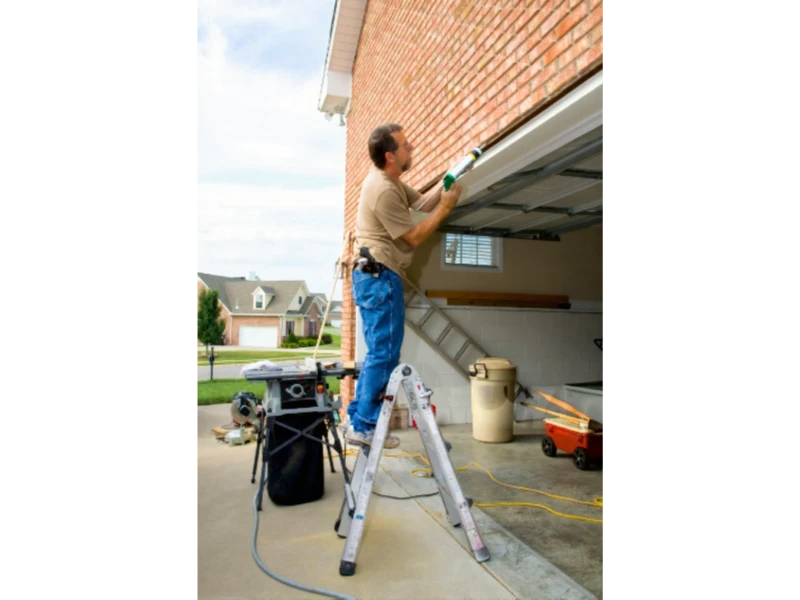
Best Time to Do This in Alvin
Do it before peak storm weeks and before humidity and pests ramp up.
A lot of homeowners call after:
- the first big rain that leaves a puddle line
- the first time they see bugs in the garage
- the first time they notice chewed rubber at the corners
If you’re already seeing daylight or water, it’s time.
Related Services
Weatherproofing often connects to: